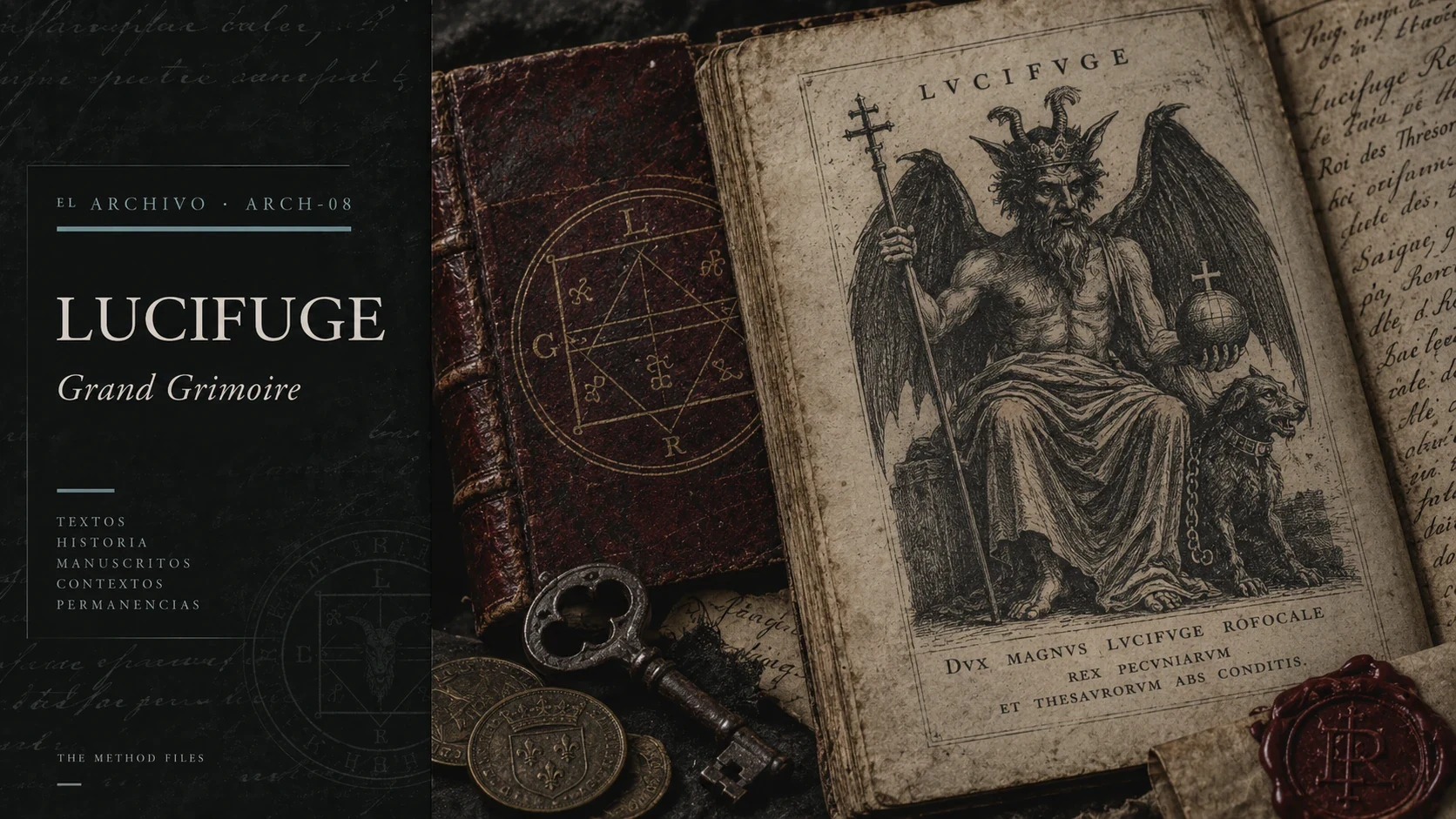
THE ARCHIVE · ARCH-08
LUCIFUGE
Grand Grimoire
THE METHOD FILES
THE ARCHIVE
The minister, the pact and the treasure
Lucifuge Rofocale poses a very different problem from Lucifer, Lilith, Belial or Leviathan.
We do not need to go back to the Hebrew Bible to find him.
His fame is associated above all with a much later book: the Grand Grimoire, also connected through its publication history with the tradition of Le Dragon Rouge.
Here, Lucifuge appears as infernal prime minister, subordinate to the system’s highest authorities and responsible for a domain particularly attractive to readers of the grimoire: riches and treasures.
But his role is not simply to grant wealth.
The Grand Grimoire turns the encounter with Lucifuge into a negotiation. There are demands, threats, conditions, a written promise and a pact intended to define what each party must provide. The 1845 edition digitised from the British Library’s copy preserves Lucifuge Rofocale as the central figure in that exchange.
That structure explains why Lucifuge acquired such a distinctive identity in occult literature.
He is more than another name in a list of demons. Within the text, he is the figure with whom the contract must be negotiated.
Before accepting the early dates some editions claim for the book, we must ask another question:
what do we actually know about the text that placed Lucifuge Rofocale at the centre of the pact?
BEFORE LUCIFUGE · THE PROBLEM IS THE BOOK
The Grand Grimoire is harder to date than it appears
The Grand Grimoire circulates with different dates and attributions, so we should distinguish the date an edition claims from the date of the copy we can actually document.
The Bibliothèque nationale de France holds an edition catalogued as 1702, with 84 pages, whose first chapter is signed Antonio Venitiana del Rabina. The bibliographic record also notes that the same text appears to have circulated under the title Le Dragon rouge.
Further editions and reprints follow. Google Books holds a digitised copy from the British Library: an edition of 1845, with 107 pages.
We therefore do not need to accept uncritically the legendary dates some versions claim for the grimoire. We can study an actual print tradition documented in the eighteenth and nineteenth centuries.
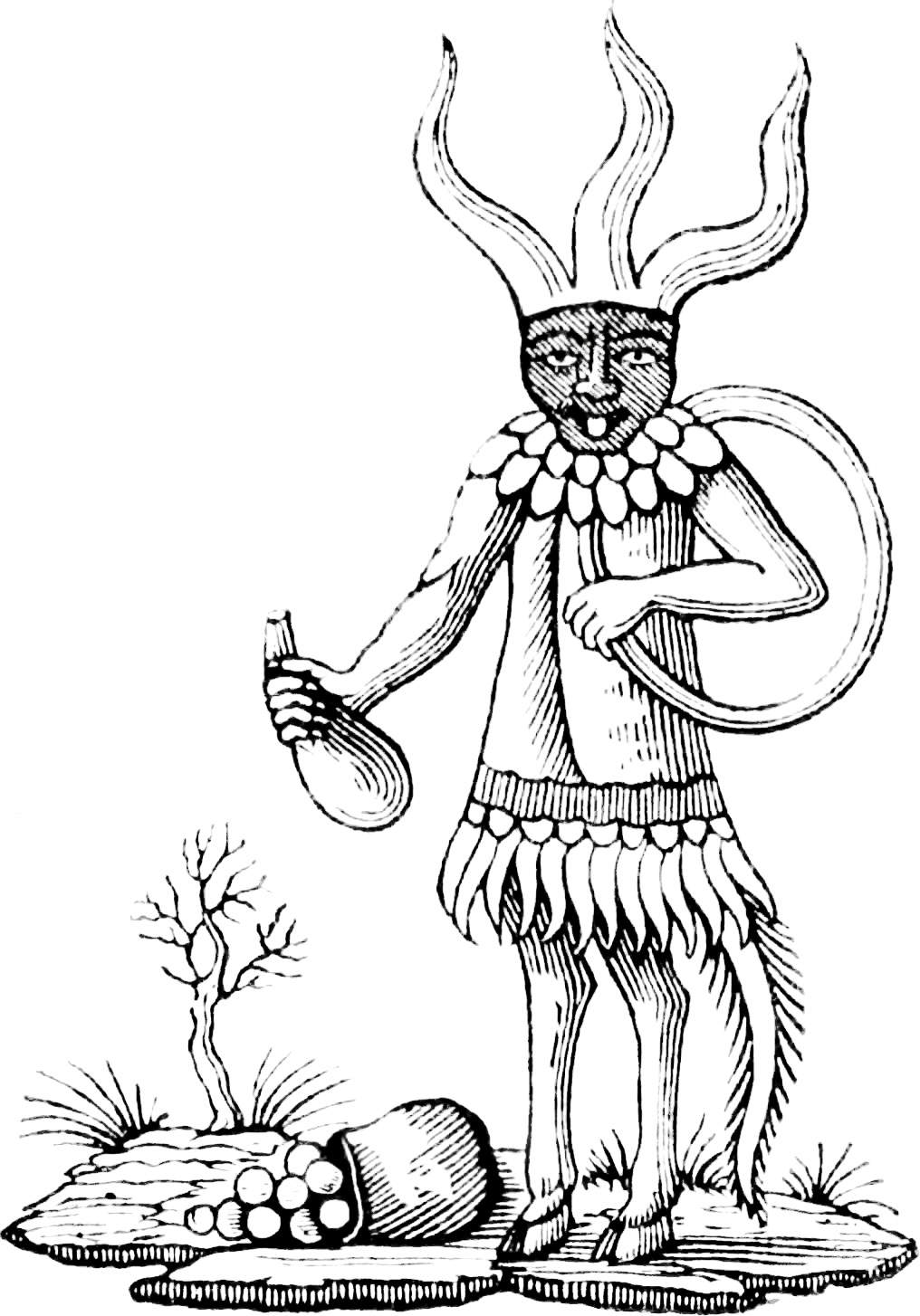
THE OFFICE · PRIME MINISTER OF HELL
Lucifuge administers a power that is not his own
In the Grand Grimoire, Lucifuge Rofocale does not appear as the absolute ruler of Hell.
The text calls him ‘infernal prime minister’ and states that Lucifer has granted him authority over the riches and treasures of the world. It also places Bael, Agares, Marbas and numerous subordinate spirits under his command.
The title matters.
Lucifuge governs, but his authority is delegated.
Lucifer remains above him, while Lucifuge holds an executive position in the hierarchy constructed by the grimoire.
This distinguishes him from many demonological figures presented simply through a list of powers.
Lucifuge has an administrative role.
His domain is wealth.
His instrument is negotiation.
The text makes him the direct counterpart of the person seeking treasure through a pact.
That is why his identity is so closely tied to the Grand Grimoire: office, wealth and contract come together in a single figure.
We are not dealing with a biblical title or an ancient hierarchy.
We are looking at the particular organisation of a particular grimoire.
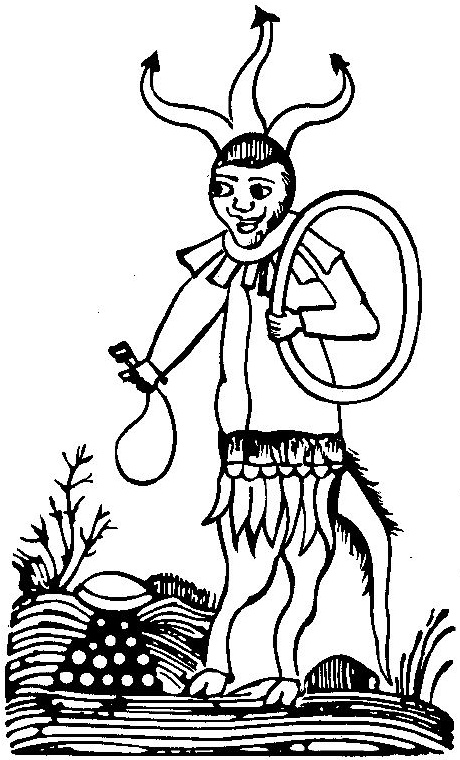
THE PACT · NOTHING IS GIVEN FREELY
Lucifuge does not grant the treasure: he negotiates its terms
At the heart of the Grand Grimoire is more than a simple request for wealth.
It is a negotiation.
In one of the most widely circulated versions of the pact, Lucifuge initially demands that the person making it should belong to him after twenty years. Other printed versions contain variations, reminding us that even the grimoire’s text did not circulate in a completely stable form.
The exchange continues and the conditions change. The text ultimately describes recurring obligations, limits on when Lucifuge may be summoned and the delivery of the nearest treasure that can be carried away.
For this article, the point is to examine the structure of the ritual procedure, rather than reproduce it.
Lucifuge speaks, refuses, demands, concedes and finally accepts terms.
That makes the scene very different from an invocation in which a spirit simply obeys.
The grimoire constructs a kind of supernatural contract: each party tries to obtain something from the other, and each clause defines the price of the agreement. The text presents successive replies from Lucifuge and changes to the conditions before reaching the final pact.
There is another revealing detail: the promised wealth is not presented as a gift.
It comes with obligations, deadlines and consequences.
That logic explains much of Lucifuge Rofocale’s later identity.
He is not merely the demon associated with money.
He is the figure who turns the desire for wealth into a negotiation that carries a price.
THE TREASURE · THE PROMISE HAS CONDITIONS
Money is the bait; the contract is the real story
Treasure is the most conspicuous element of the pact, but the Grand Grimoire devotes as much attention to the conditions as to the promised wealth.
Lucifuge undertakes to reveal an obtainable treasure, but the agreement imposes obligations in return.
These include secrecy, certain restrictions on dealings with the spirit and the regular offering of a gold or silver coin. Another formulation of the text even adds an obligation to show charity to the poor.
Wealth is therefore never presented as a free reward.
Every benefit creates a debt.
That logic explains Lucifuge better than any modern image of a demon surrounded by coins.
His true narrative domain is not simply money.
It is exchange.
The person entering the pact wants immediate wealth.
Lucifuge wants to establish conditions that will endure long after the treasure appears.
Perhaps the most important object in this story is therefore neither the chest nor the gold.
It is the document intended to establish what each party owes.
In the Grand Grimoire, the treasure attracts the reader. The pact is what really catches them.
THE DOCUMENT · WHEN THE PACT IS WRITTEN DOWN
The signature turns a promise into a debt
The Grand Grimoire goes a step further: the negotiation does not remain purely verbal.
The pact eventually takes written form.
The text presents an agreement setting out conditions, obligations and the duration of the commitment. Writing turns a spoken promise into something much more concrete: a formalised debt.
That is precisely where the scene’s power lies.
The person entering the pact seeks to secure the promised wealth.
Lucifuge seeks to secure its price.
The document brings both interests together.
This makes Lucifuge a strikingly modern figure within grimoire literature.
He does more than appear, threaten or grant a request.
He negotiates terms and insists that they be fixed.
That is why the signature matters so much in the figure’s story.
The treasure may move.
The riches may disappear.
But the pact is intended to outlast both.
The real danger lies not in finding the treasure, but in accepting the conditions for obtaining it.
WHAT THE SOURCE ACTUALLY SAYS
Lucifuge enters the story with an office, not a biography
If we set aside later interpretations and focus on the Grand Grimoire, Lucifuge Rofocale is defined above all by what he does.
The text calls him infernal prime minister and states that Lucifer has granted him power over the riches and treasures of the world. It also places other spirits under his authority.
It then makes him the central counterpart in a negotiation: the practitioner requests wealth, Lucifuge sets conditions, and the exchange is formalised through a written pact.
That is the figure we can actually document in the source.
The Grand Grimoire does not offer an extensive account of Lucifuge’s birth, a heavenly fall of his own or an ancient biography comparable to those later constructed around Lucifer or Satan.
It gives him an office.
It assigns him a domain.
And it brings him face to face with the person entering the pact.
His historical identity is therefore closely bound to the grimoire itself.
If we remove the Grand Grimoire, much of the Lucifuge we know today loses its documentary foundation.
The 1845 edition preserved through the British Library’s copy confirms Lucifuge Rofocale’s central place in that print tradition.
Lucifuge does not enter THE ARCHIVE as a demon with an established history stretching back millennia. He enters as the minister whom a particular text set to negotiating wealth and pacts.
WHAT CHANGED LATER
The minister became more famous than his office
After the Grand Grimoire, Lucifuge Rofocale begins to circulate beyond the specific context of the pact that shaped him.
His name appears in later demonologies, compendia and reinterpretations, often reduced to a much simpler idea: Lucifuge = wealth, treasures and pacts.
The Dictionnaire Infernal of 1863 preserves a hierarchy in which Lucifuge appears as prime minister, subordinate to Lucifer, Beelzebub and Astaroth, with authority over Bael, Agares and Marbas.
But as that structure becomes familiar, the context of the grimoire itself begins to disappear.
The office is remembered.
The treasure is remembered.
The pact is remembered.
Less and less attention is paid to which edition transmits it, which particular hierarchy it uses and what conditions actually surround the scene.
Here we encounter one of the most common distortions in modern occult tradition:
a figure originating within a particular system comes to be treated as though his rank had always been universal.
Lucifuge was never ‘prime minister of every Hell’.
He was prime minister within a particular hierarchy.
That distinction changes how we read him.
MYTH VS SOURCE
Lucifuge is not simply ‘the demon of money’.
That definition falls far short of what the figure actually does in the Grand Grimoire.
Certainly, riches and treasures are central to his role.
But Lucifuge does not appear as a supernatural dispenser of wealth.
He appears as a negotiator.
The practitioner asks.
Lucifuge answers.
The conditions change.
The agreement is debated.
Finally, the pact seeks to establish in writing what each party will receive.
Reducing him to ‘the demon of money’ removes precisely what distinguishes him from many other figures in grimoires.
His identity lies not only in what he provides, but in how he compels the other party to negotiate its price.
Nor can we present his title of infernal prime minister as a universal truth across all demonology.
That rank belongs to a particular tradition associated with the Grand Grimoire and the hierarchies that subsequently reproduce it.
Outside that context, the title loses part of its meaning.
The modern myth simplifies:
Lucifuge = money.
The source shows something much more interesting:
Lucifuge = wealth, delegated authority, negotiation and debt.
That is the difference between repeating a name and understanding the text that made it famous.
THE ARGUMENT
Lucifuge does not sell wealth: he controls its price
Lucifuge Rofocale does not need a biography stretching back millennia to be interesting.
His power lies in something much more specific: the Grand Grimoire gives him an office, a domain and a role.
He is prime minister.
He administers riches and treasures.
When he appears before the person entering the pact, he does not act as a creature that simply grants wishes.
He negotiates.
The practitioner tries to obtain wealth.
Lucifuge tries to turn that wealth into an obligation.
The pact arises between them, turning desire into debt.
Reducing him to ‘the demon of money’ therefore erases precisely what is most interesting about the source.
Money is the initial attraction.
The contract is what makes the exchange work.
That is the argument of this article:
Lucifuge Rofocale is defined not by the treasure he promises, but by the conditions he manages to impose for delivering it.
ARCHIVE CONNECTIONS
Following the pact’s trail
THE GRAND GRIMOIRE, BEYOND THE LEGEND
‘The Grand Grimoire, beyond the legend’ examines the Grand Grimoire as a historical object: its editions, hierarchies, attributions, pacts and the distance between the text we can document and the reputation that grew around it.
Beelzebub was not born in Hell
In the hierarchies associated with the Grand Grimoire, Beelzebub holds one of the highest positions of infernal power. Returning to ‘Beelzebub was not born in Hell’ shows how a name with a much older history becomes part of the same system in which Lucifuge acts as minister.
Lucifer before he became the Devil
Lucifuge is subordinate to Lucifer within this infernal structure. Yet ‘Lucifer before he became the Devil’ shows that Lucifer, too, did not enter the tradition with a single unchanging identity. Reading the two articles together distinguishes the ancient history of Lucifer’s name from the much later hierarchy of the Grand Grimoire.
GRIMOIRE OF LUCIFUGE ROFOCALE
This article reconstructs the documentary context of the minister, the treasure and the pact. The Grimoire of Lucifuge Rofocale continues from there, developing the figure in a dedicated volume while keeping the historical source distinct from later reinterpretations.
CONTINUE
From the pact to the Grimoire of Lucifuge Rofocale
This article has followed Lucifuge Rofocale from the text that gave him his most recognisable role: the Grand Grimoire.
There, he appears as infernal prime minister, administrator of riches and treasures and, above all, the figure who turns the desire for wealth into a negotiation governed by conditions.
The Public Edition of the Grimoire of Lucifuge Rofocale continues from there, organising his hierarchy, functions, pact, symbols and tradition in a dedicated volume.
The Illustrated Edition extends that exploration with more comprehensive visual, documentary and ritual treatment.
SOURCES CONSULTED
Documents and editions used
- Bibliothèque nationale de France. Le grand grimoire avec la grande clavicule de Salomon..., edition catalogued as 1702, 84 pages. The record notes that the same text appears to have circulated under the title Le Dragon rouge.
- Le Grand Grimoire, 1845, 107 pages. Copy from the British Library, digitised by Google Books. A primary source for studying the text’s nineteenth-century circulation.
- Grand Grimoire / Dragon Rouge. A grimoire tradition that presents Lucifuge Rofocale as infernal prime minister and places him at the centre of a negotiation involving wealth, treasures and a pact.
- Jacques-Albin-Simon Collin de Plancy. Dictionnaire Infernal, sixth edition, Paris, H. Plon, 1863, entry ‘Pacte’. Reproduces the infernal hierarchy, Lucifuge’s role and a detailed version of the pact’s negotiation.
- Thomas Frognall Dibdin. A Bibliographical, Antiquarian and Picturesque Tour in France and Germany, vol. II, 1821. Reproduces the title page and frontispiece of an edition of Le Dragon Rouge seen during his travels; the source of the image used in this article.
- Lucifuge Rofocale, illustration from The Grand Grimoire, nineteenth century. Historical reproduction held on Wikimedia Commons, taken from a digitised edition of the grimoire.
Source records
Explore the references, their limitations and their uses in other readings. The article’s full bibliography is retained in the text above.
Dictionnaire Infernal, sixth edition ↗Le Grand Grimoire — Paris, 1845 ↗Le grand grimoire — BnF record ↗Le Grand Grimoire / l’art de commander les esprits… ↗A Bibliographical, Antiquarian and Picturesque Tour in France and Germany ↗Wikimedia Commons — Lucifuge Rofocale 01.jpg ↗Study this subject further
These related lessons let you explore the article’s questions through activities and study resources.
Cite this article
Published in The Method Files’ Archive.
THE PACT HAS A NAME: LUCIFUGE ROFOCALE. The Archive · The Method Files. https://themethodfiles.com/en/estudios/archivo/el-pacto-tiene-un-nombre-lucifuge-rofocale/
Include your access date; the copy button adds it automatically. To cite a historical source, use its own reference in the article’s bibliography.
Explore the six free lessons · Explore the Studies programme